For 10 days in Japan, we would plan four nights in Tokyo, three in Kyoto and two in Osaka, flying into Tokyo Haneda and home from Kansai to avoid backtracking. Travel between cities by Shinkansen in the Green Car, send big suitcases ahead, and book the counter restaurants and the Kyoto ryokan first.
This is a luxury Japan itinerary in the sense that matters most there: good rooms, the right seats and no wasted hours. We set out the route day by day, when to go, how to move between cities with luggage, the rules that changed in 2026, and what to book first.
The 10-day route at a glance
- Days 1 to 4 are in Tokyo, with the arrival and then three full days.
- Days 5 to 7 move to Kyoto for temples early, a ryokan night and a half day in Nara.
- Days 8 and 9 are in Osaka, for food, the castle and an optional day trip to Himeji.
- On day 10, fly home from Kansai International.
When you can, fly into Haneda, which is much closer to central Tokyo than Narita. An open-jaw ticket, into Tokyo and out of Osaka, often costs about the same as a return on full-service airlines and saves half a day going back to Tokyo. Japan works best as a trip on its own; to combine it with Southeast Asia, see our guide to planning a multi-country trip in Asia.
The route, day by day
Days 1 to 4 in Tokyo
Stay near Tokyo Station, in Marunouchi or Otemachi, for an easy Shinkansen departure, or in Ginza or Roppongi for restaurants. Take the arrival day slowly: a walk, an early dinner, sleep. Then give each full day one area and one booked meal.
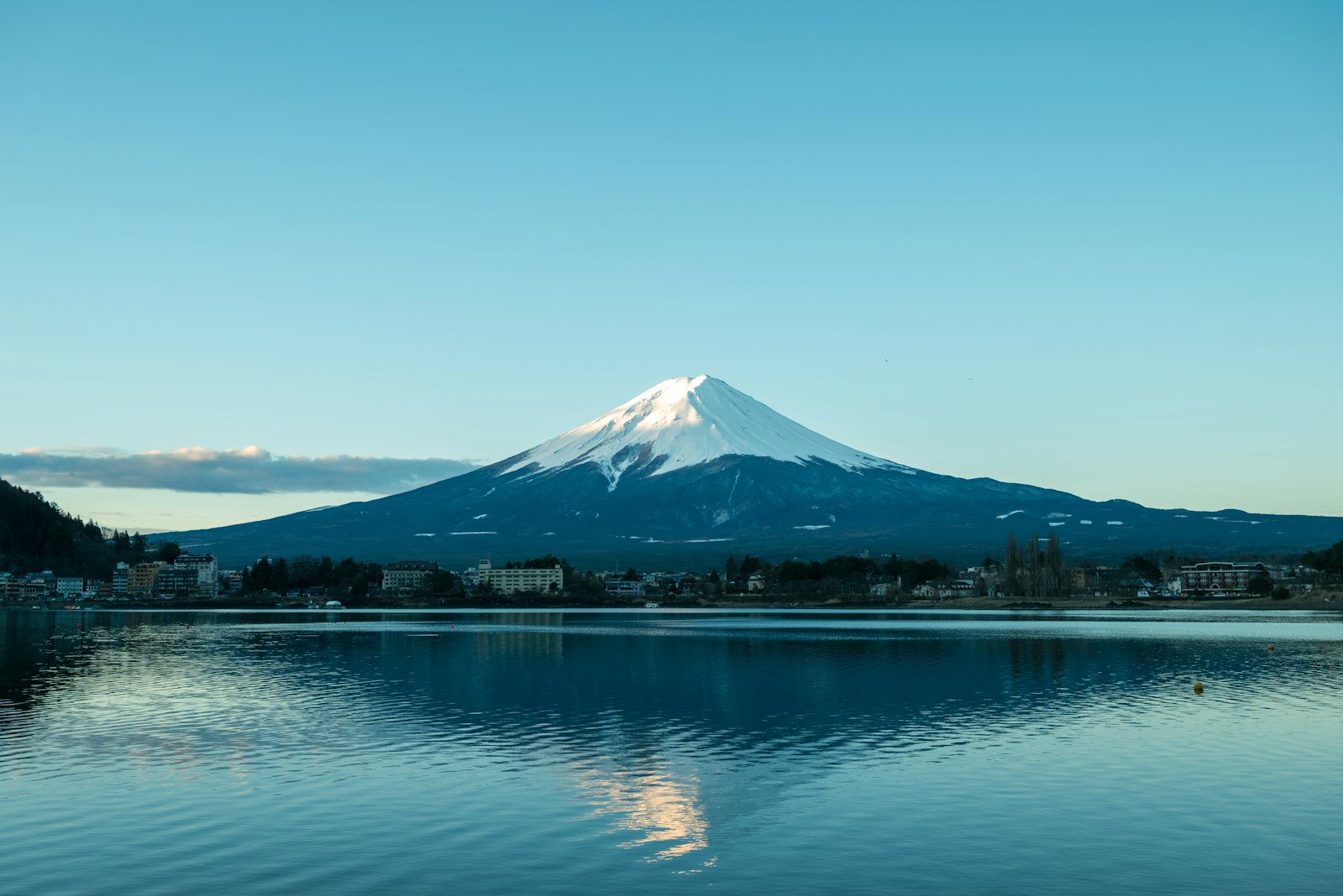
Many of Tokyo's best hotels occupy the top floors of towers, with the lobby high above the street, so the view depends on the side of the building. Ask for the view you want when booking: west-facing rooms can catch Mount Fuji on clear winter mornings.
- On day 2, go to the Tsukiji outer market early, then Ginza's department stores and galleries, and a sushi counter for dinner.
- Day 3 is Meiji Jingu and Omotesando in the morning, and Shibuya after dark with a private guide who knows the small bars.
- On day 4, see Asakusa early, then take a day trip to Kamakura or Nikko, or spend a quiet afternoon in the hotel spa before Kyoto.
Days 5 to 7 in Kyoto
Take a morning Shinkansen: Nozomi trains reach Kyoto in a little over two hours. Stay in Higashiyama or near the Kamo river, and book at least one night in a ryokan. Hiiragiya, a ryokan run since 1818 in central Kyoto, is the kind of house we mean.
- On day 5, walk Gion and the lanes below Kiyomizu-dera in the late afternoon, when the day visitors thin out.
- Day 6 starts at Fushimi Inari at dawn, before the crowds, then a tea ceremony and a kaiseki dinner.
- On day 7, see Arashiyama's bamboo grove first thing, or spend a half day in Nara, under an hour away by train.
Book a car and driver for at least one Kyoto day. Taxis are hard to find at peak times, and the temples are spread across the city.
Days 8 to 10 in Osaka
Kyoto to Osaka takes under 30 minutes by train. Stay in Umeda, by the main station and the department stores, or near Namba for the restaurants of Minami. Osaka is Japan's food city: book one serious dinner and leave one night for Dotonbori and the standing bars.
- On day 8, take the morning train from Kyoto, visit Osaka Castle, then have dinner at a counter in Kitashinchi.
- Day 9 is the Shinkansen to Himeji, whose castle now charges adult non-residents 2,500 yen to enter, then Dotonbori after dark.
- Day 10 is a late breakfast and the transfer to Kansai International, about an hour from central Osaka by express train or car.
When to go to Japan
- Cherry blossom comes in late March to early April in Tokyo, with Kyoto close behind. These are the most beautiful weeks and the hardest to book, so plan six months ahead.
- Autumn colours run from late November in Tokyo, and around Kyoto into early December. It is just as busy.
- The rainy season lasts from early June to around mid-July in Tokyo and Kyoto, with fewer visitors and the gardens at their greenest.
- Summer is hot and humid, with typhoons most common in August and September.
- Winter is cold, dry and clear, and the quietest time in Kyoto outside New Year.
Avoid Golden Week, from late April to early May, when much of Japan travels at once. For a first trip, we like late October to mid-November and May after the holidays: mild, and calmer than the blossom or the peak of the autumn colours.
Trains, luggage and the rules that changed in 2026
Shinkansen and the Japan Rail Pass
Book Green Car seats: more space, fewer people and a quieter carriage. The nationwide Japan Rail Pass rose on 1 October 2026 to 53,000 yen for seven days in ordinary class and 74,000 yen in the Green Car. For Tokyo, Kyoto and Osaka alone, add up the single tickets before buying one: the pass pays off mainly when you add longer journeys such as Hiroshima or Kanazawa, and the fastest Nozomi trains need a supplement on top.
Send the suitcases ahead
On the Tokaido Shinkansen between Tokyo, Kyoto and Osaka, bags over 160 cm in total dimensions need a reserved seat that comes with an oversized baggage area; without one, you pay a 1,000 yen fee. The easier answer is luggage delivery: your hotel sends the big cases to the next one, and you travel with an overnight bag. Send them a day ahead, two to be safe.
Entry, taxes and tax-free shopping
- Register on Visit Japan Web before you fly for the immigration and customs QR codes.
- Since 1 July 2026, Japan's departure tax is 3,000 yen per person, usually included in your air ticket.
- Kyoto's accommodation tax rose on 1 March 2026. It is charged per person per night according to the room rate: 4,000 yen in the 50,000 to 99,999 yen band, and 10,000 yen from 100,000 yen.
- Since 1 November 2026, tax-free shopping has been a refund system. You pay the tax in store, have the goods checked at the airport before you check in your bags, and the tax is refunded. Keep the receipts and the goods together, and allow time before your flight.
What we would book first, and the usual mistakes
Book in this order: flights, the Kyoto ryokan, the counter restaurants, then hotels in Tokyo and Osaka. The ryokan and the restaurants have the fewest places and the strictest terms. Many of the best sushi and kaiseki counters open bookings a month or two ahead, take a card guarantee and charge for late cancellations; some accept bookings only through a hotel concierge. This is where a concierge in Asia earns its fee.
A few mistakes we see often:
- Trying to fit in Hiroshima, Hakone and Kanazawa as well. In 10 days, three bases is right.
- Doing Kyoto as a day trip from Osaka. Kyoto needs early mornings, which means sleeping there.
- Arriving at a ryokan late. Dinner is served at a set time, and checking in after it can mean missing the meal.
- Counting on cards everywhere. Cards are widely accepted in cities, but small restaurants, shrines and markets still prefer cash.
- Leaving restaurant bookings until arrival in cherry blossom or autumn weeks.
Frequently asked questions
Is 10 days enough for Japan?
Ten days is enough for Tokyo, Kyoto and Osaka with a day trip or two, at a pace that leaves room for long meals. Add Hiroshima or the Japan Alps only if you have two weeks.
How many days should you spend in Tokyo and Kyoto?
Four nights in Tokyo and three in Kyoto is the balance we recommend for a first trip. Kyoto needs at least three nights, because its temples are best seen early in the morning.
Is the Japan Rail Pass worth it for Tokyo, Kyoto and Osaka?
Often not, since the October 2026 rise to 53,000 yen for seven days. Compare the single fares for your route first; the pass makes sense when you add long journeys.
When is the best time to visit Japan?
Late March to early April for cherry blossom, and late November to early December for autumn colours, both busy and best booked six months ahead. Late October and May are calmer and still mild.
Planning Japan with TG Hospitality
For this route, we would book the open-jaw flights, the hotels in Tokyo and Osaka at preferential rates, the Kyoto ryokan, Green Car seats, luggage delivery between hotels, drivers for the temple days and the restaurant requests, all with one contact. Tokyo, Kyoto and Osaka are among our destinations, planned through our trip planning service. Send your dates through our contact page or on WhatsApp.
More on travel in Asia
- Our luxury concierge in Asia, one team for the whole trip
- How to plan a multi-country trip in Asia
- A two-week Southeast Asia itinerary in four stops
- Our Hong Kong travel guide
- Where to go and stay in Taiwan
- How to choose your islands in the Philippines
- Luxury concierge in Singapore, from race week to Chinese New Year